

With Ultherapy PRIME, the more densely the thermal coagulation points are placed, the stronger the lifting effect, so with fewer shots it is better to focus on a localized area. Typically, 300 and 400 shots are used for specific areas such as a double chin or nasolabial folds, 600 shots for the entire lower face and midface, and 900 shots or more for the full face in people in their 50s~60s and older.

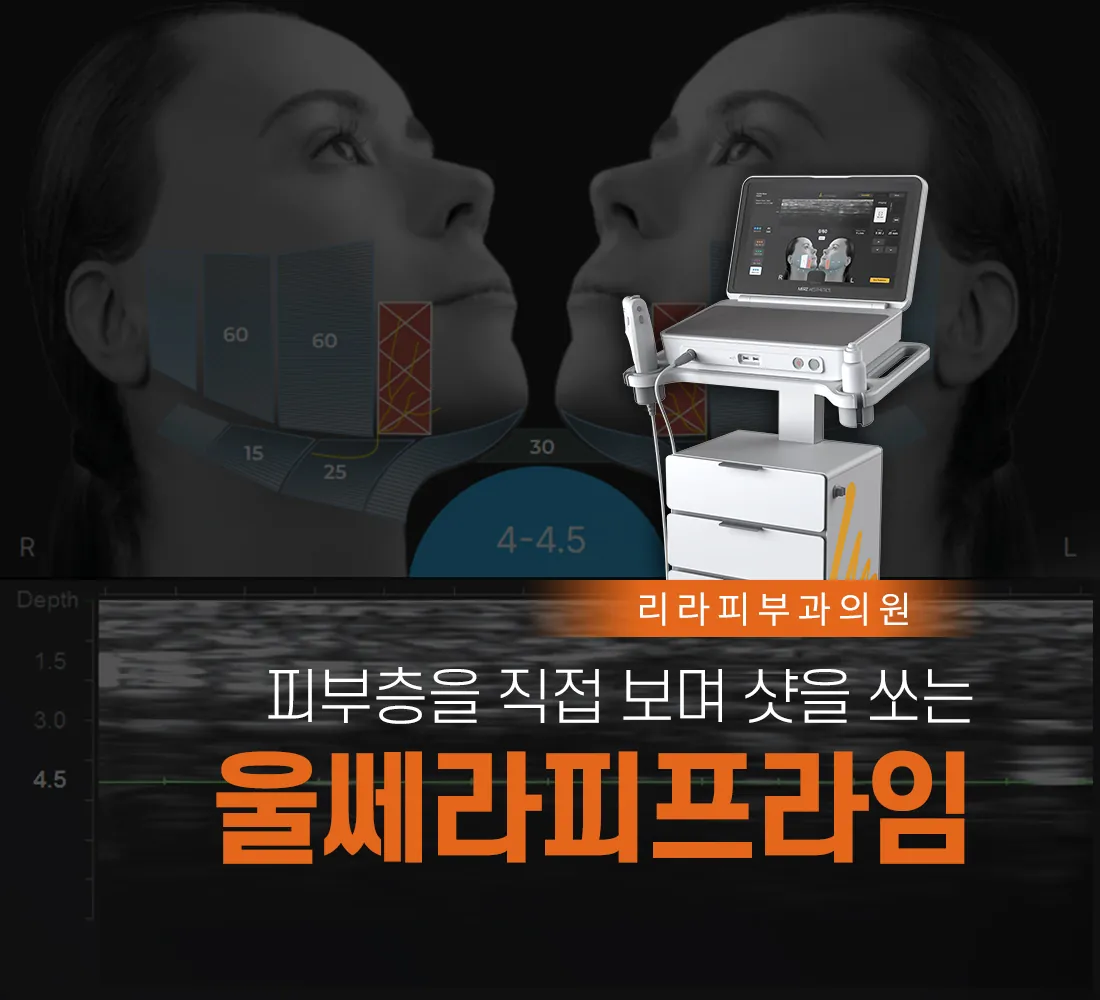
Why your skin condition should be checked before deciding on an Ultherapy PRIME shot count
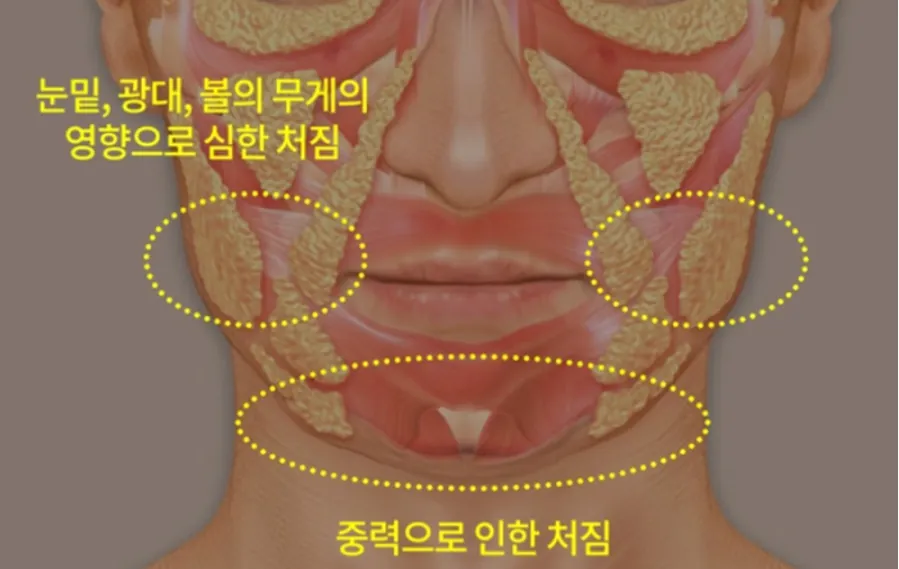
Ultherapy lifting targets specific depths in the skin and delivers energy there, creating coagulation in the skin layers to stimulate regeneration, which improves firmness and wrinkles.
That makes it an effective lifting treatment when the whole face appears to be sagging downward, or when deep wrinkles in certain areas make the skin look uneven.
Ultherapy PRIME in particular is drawing a lot of attention because its enhanced monitoring over the original Ultherapy allows for more precise and faster treatment.
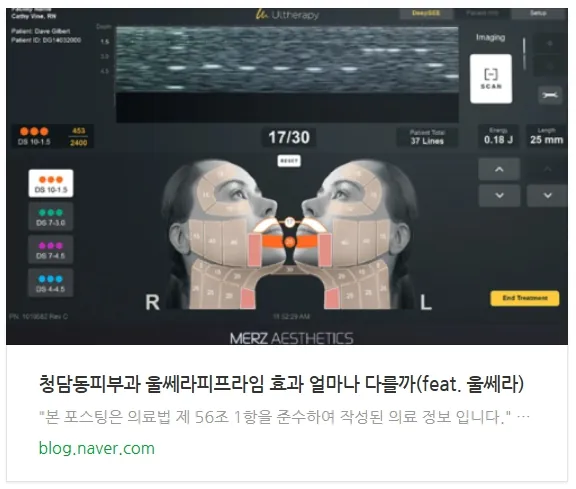
Monitoring with DeepSEE technology, which lets the physician see beneath the skin and is the defining feature of Ultherapy, now provides an even clearer view.
As a result, Ultherapy PRIME can target the desired skin layer more precisely than Ultherapy, and since it can visualize depths of up to 8mm instead of the previous 4.5mm, accurate monitoring is now possible even for people whose skin contours have become uneven due to wrinkles and the like.
When deep wrinkles form, the actual skin may have thinned, yet the folds of the wrinkles made it difficult to identify the skin layers accurately.
With these improvements, Ultherapy PRIME offers more precise targeting and clearer monitoring, which shortens treatment time.
A shorter treatment means less time spent feeling pain, which reduces the discomfort of the procedure.
Ultherapy PRIME 300, 400, or 600 shots: how to choose the right shot count for you
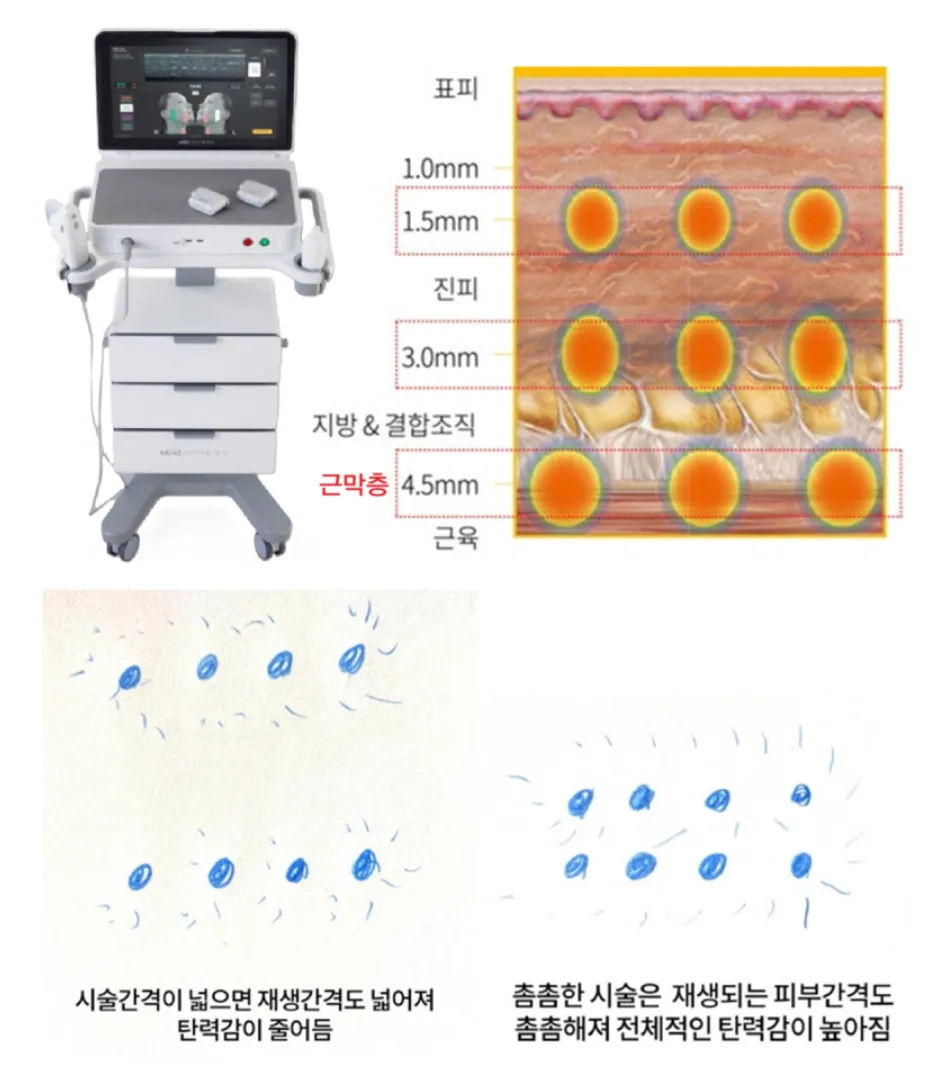
(Applying shot counts based on how Ultherapy PRIME works)
To maximize the effect of Ultherapy lifting (Ultherapy PRIME), dense treatment is essential.
If the thermal coagulation points are spaced too far apart, it is hard to pull the skin up enough, and the stimulus that activates regeneration is also insufficient, so it is difficult to see adequate results.
That is why concentrating the shots densely is effective for enhancing the lifting effect.
For example, using 300 shots of Ultherapy PRIME only on the double chin and around the corners of the mouth versus across the entire lower face including the nasolabial folds can make a big difference in shot spacing during treatment.
The fewer the shots, the more it helps to focus them on a localized area to achieve the desired result.
So 300 and 400 shots of Ultherapy are usually used to improve specific areas such as a double chin or nasolabial folds. (Roughly 300 shots if sagging is not very severe, and 400 shots if there is some sagging.)
600 shots of Ultherapy can cover the entire lower face, including the double chin and nasolabial folds, as well as crow's feet and the midface, when sagging is not very severe.
900 shots or more can be considered effective for covering the full face in people in their 50s~60s and older.
This is because the older you are, the more severe the sagging, so the skin needs to be lifted even more densely to improve it.
How can you get more value from the cost of Ultherapy lifting?
Ultherapy lifting tends to cost somewhat more than other ultrasound lifting treatments. Even so, many people choose it because the results are so good.
So when you get Ultherapy lifting, it is important to get the most effect out of the same number of shots.
Ultherapy lifting works by heating the skin to cause coagulation. For coagulation to occur, the skin must first be preheated to a sufficient temperature, and the shots used for this are hard to count as producing an actual lifting effect.
However, since they are still included in the shot count, the more shots used for preheating, the less actual lifting effect you may get.
That is why the skin needs to be preheated quickly. To do this, when Ultherapy is used on its own, it is best to apply relatively high intensity early in the session, when cumulative pain is low.
If you are worried about pain with this approach, combining it with another device such as a radiofrequency laser can also help.
And rather than splitting the treatment into 300 shots and another 300 shots, getting 600 shots at once reduces the number of shots used for initial preheating, so you can get better results.
『 Skin needs better adherence as well, not just lifting of sagging. 』
Even if the sagging is lifted, if the skin does not adhere snugly to the face, its support can weaken or it may not look as smooth.
In such cases, it is effective to combine treatments that help the skin adhere firmly or increase dermal density.
① Radiofrequency Thermage FLX lifting
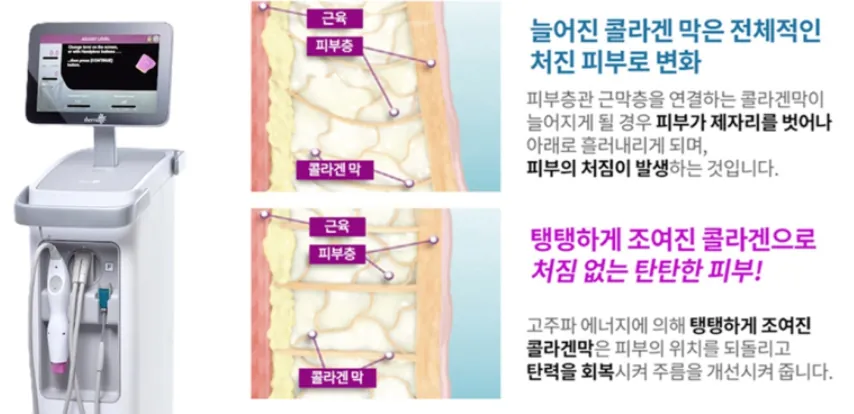
Unlike Ultherapy, which coagulates a specific skin layer, Thermage lifting is a tightening treatment that delivers radiofrequency from the epidermis deep into the dermis, firming up loose skin and improving adherence.
Because it strengthens skin support through a different mechanism from Ultherapy, lifting with Ultherapy and improving adherence with Thermage not only enhances firmness and wrinkle reduction but can also extend how long the results last.
② ONDA lifting
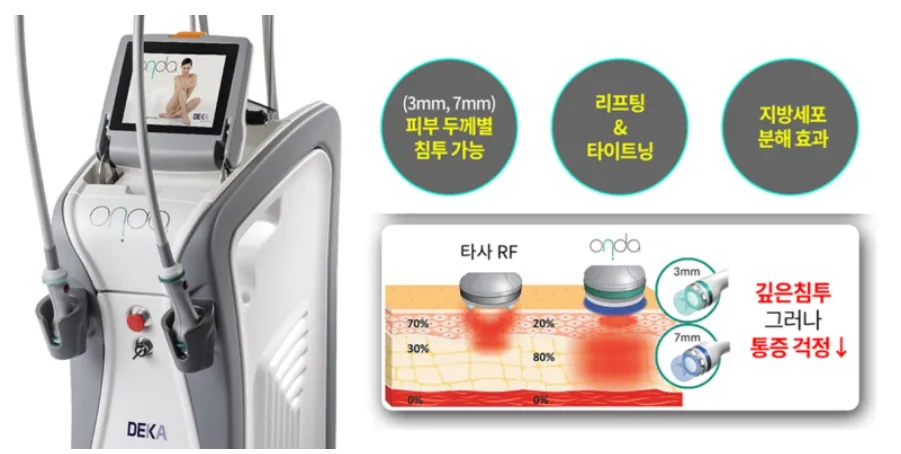
ONDA lifting uses microwaves that vibrate water molecules in the skin to generate heat. The treatment is relatively painless, and depending on the treatment depth, a fat-reducing effect can also be expected.
Although thermal energy is delivered, the vibration has a pain-relieving effect, and some people feel almost no pain at all.
It is effective for nasolabial folds with contours caused by clumped fat and for people with jowl fat pads (deep cheek fat), and those sensitive to pain can undergo it relatively comfortably.
③ Skin boosters
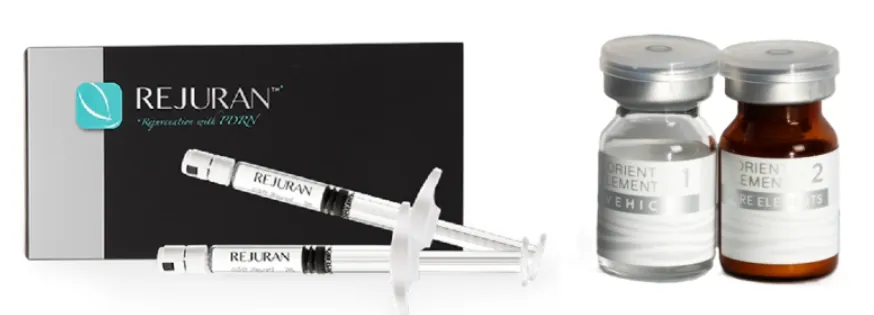
Since sagging and wrinkles result from skin aging, skin boosters that produce a rejuvenating effect to reverse aging can be effective.
Options such as Rejuran Healer, known for its rejuvenating effect, Juvelook and Juvelook Volume, which activate collagen regeneration, as well as exosomes and Filorga 135, can be chosen to suit each purpose and goal.
These skin boosters work through a different mechanism from laser lifting and can provide effective improvement.


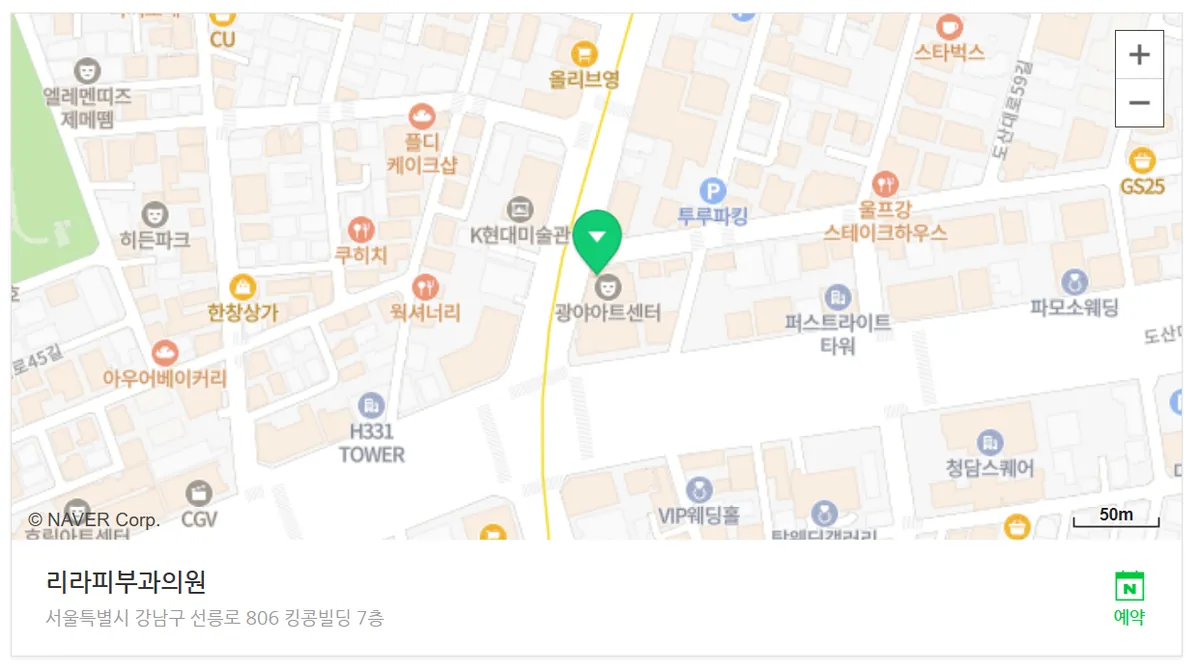
Doo-jin Oh, board-certified dermatologist near Apgujeong Rodeo Station 【RERA Dermatology Clinic】
☎ Phone inquiries: 02-512-4568

Frequently Asked Questions
- How do I choose between 300 and 600 shots of Ultherapy?
- 300 and 400 shots are used to improve specific areas such as a double chin or nasolabial folds, while 600 shots cover the entire lower face, the eye area, and the midface when sagging is not very severe. The fewer the shots, the more it helps to focus them on a localized area.
- Is there a difference between two sessions of 300 shots and one session of 600 shots?
- Shots used to preheat the skin for coagulation are also included in the shot count, so getting 600 shots at once reduces the shots spent on preheating and can deliver better results.
- Are there treatments that pair well with Ultherapy?
- Since improving adherence is needed along with lifting sagging skin, Thermage FLX, ONDA lifting, or skin boosters are sometimes combined. Thermage tightens the skin to improve adherence, and ONDA helps with nasolabial folds caused by clumped fat or deep cheek fat.


